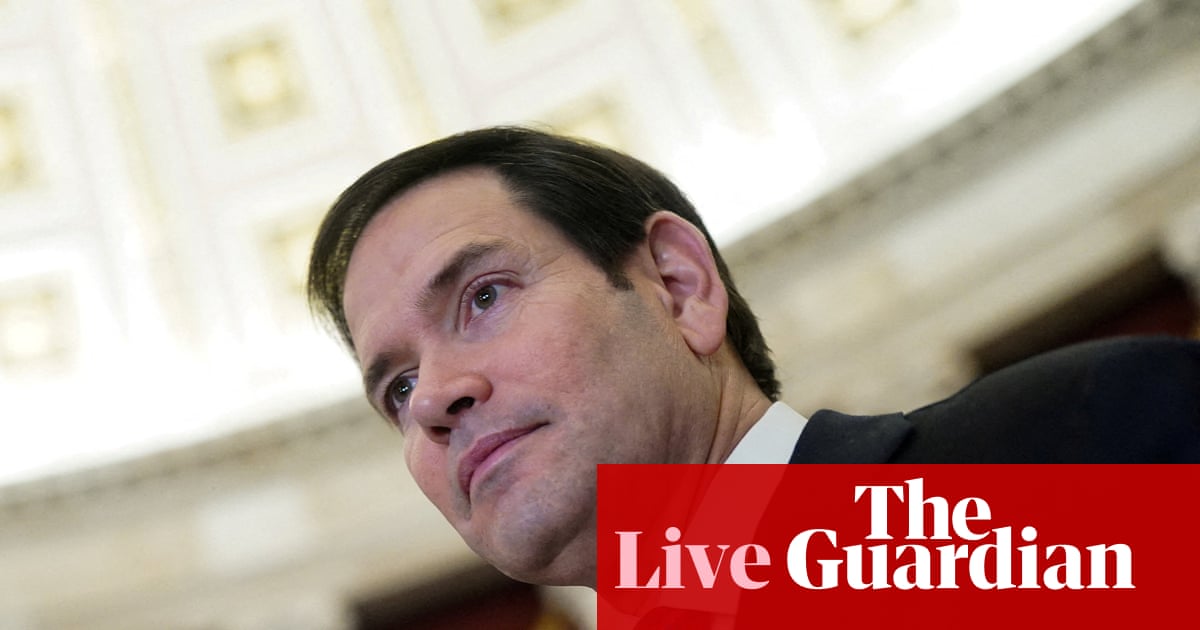
Rubio Unveils Critical Evacuation Strategy for Americans Trapped in Iran War Zone
Amid escalating tensions and active military operations, Secretary of State Marco Rubio has laid out an urgent and comprehensive plan to facilitate the safe evacuation of American citizens from the volatile Middle East. With rubio iran us strikes intensifying, the U.S. State Department is actively coordinating a multi-pronged approach involving commercial, charter, and military options to ensure the safety of its nationals. This critical effort comes as the conflict continues to spiral, highlighting the perilous environment for the estimated 1,500 Americans still seeking assistance to depart the region.
Rubio, speaking to reporters after briefing senators on the evolving war plans, underscored the administration's commitment to protecting American lives. While acknowledging that approximately 9,000 Americans have already managed to leave since the conflict began, he emphasized the immediate priority remains those still in harm's way. The Secretary of State also took the opportunity to defend the strategic rationale behind recent U.S. military actions, asserting that the aggressive posture was a necessary preemptive measure against a terroristic regime.
Coordinating a Multi-Faceted Evacuation Effort
The logistical challenges of evacuating citizens from an active war zone are immense, but Secretary Rubio detailed a robust strategy designed to overcome these hurdles. The State Department's plan is not limited to a single mode of transport but encompasses a flexible array of choices to maximize efficiency and reach.
- Expanded Commercial Flights: The U.S. government is actively engaging with commercial airlines to increase the frequency and capacity of flights out of the region. This involves requesting airlines to deploy larger aircraft with more seats on existing routes, thereby accommodating a greater number of evacuees.
- Charter Flights: For areas where commercial options are limited or nonexistent, the State Department is organizing dedicated charter flights. These flights can be specifically routed to destinations critical for safe passage, providing a lifeline for those in more isolated or high-risk locations.
- Military Flight Options: In situations demanding the highest level of security and efficiency, or when commercial and charter options prove insufficient, military aircraft are being deployed. These operations are inherently complex and require significant coordination, often utilizing secure air corridors to ensure the safety of passengers and crew.
Rubio candidly addressed the primary impediment to a swift evacuation: "It's going to take a little time because we don't control the airspace closures." This highlights the dynamic and unpredictable nature of operating within a conflict zone, where airspace restrictions can shift rapidly, causing delays and complicating logistics. Despite these challenges, Rubio conveyed confidence, stating, "We know that we're going to be able to help them."
A crucial element of the evacuation strategy is the active engagement of American citizens themselves. Rubio implored the press to broadcast the State Department's emergency contact numbers and encouraged any American needing assistance to make their presence known. "There may be more people out there that need help. We need to know who you are," he stressed, emphasizing the importance of registering with the embassy or consulate to facilitate aid.
Practical Advice for Americans in Conflict Zones:
- Register with the State Department: Enroll in the Smart Traveler Enrollment Program (STEP) to receive alerts and help the U.S. Embassy locate you in an emergency.
- Monitor Official Communications: Stay updated on advisories from the State Department, U.S. Embassies, and local authorities.
- Prepare an Emergency Kit: Have essential documents (passport, visas), medication, basic supplies, and communication devices ready.
- Have a Contingency Plan: Discuss escape routes and meeting points with family members. Understand local transportation options.
Justifying the Rubio Iran US Strikes: A Preemptive Measure
Beyond the immediate humanitarian concerns, Secretary Rubio vehemently defended the U.S. decision to initiate strikes against Iran, framing them as a necessary evil to protect American interests and regional stability. The rationale, as articulated by Rubio, centered on preventing a more devastating attack and neutralizing existential threats posed by the Iranian regime. This aligns with his broader statements on the escalating US-Iran Conflict: Rubio Vows Intensified Strikes, No Nuclear Iran.
Rubio revealed that President Trump's decision to strike was rooted in a determination "we were not going to get hit first." He alluded to a "unique opportunity" over the past weekend that made the preemptive mission viable and successful. This suggests that intelligence gathered indicated an imminent threat or a strategic window that necessitated immediate action to neutralize Iranian capabilities before they could be used against U.S. assets or allies.
The Secretary of State also clarified previous remarks that had drawn criticism, emphasizing that while Israel's determination to act was a factor, the ultimate U.S. decision was to prevent any retaliation on American bases and operations. "We are not going to put American troops in harm's way" by waiting for an attack, he stated, underscoring a proactive defense posture.
Addressing Diplomatic Security and Future Actions
The volatile environment extends even to diplomatic facilities. Rubio addressed a recent drone strike near the U.S. Consulate in Dubai, confirming that "all personnel are accounted for." He detailed that a drone struck a parking lot adjacent to the chancellery building, causing a fire, but fortunately, most personnel had already departed the premises. "Our embassies and our diplomatic facilities are under direct attack from a terroristic regime," Rubio asserted, highlighting the comprehensive nature of the threat.
Looking forward, Rubio issued a stark warning to Iran, promising an unprecedented escalation in military action. "We're going to unleash Chiang on these people in the next few hours and days," he declared, using a strong idiom to signal a significant increase in force. He elaborated that the world would soon "perceive a change in the scope and in the intensity of these attacks as frankly the two most powerful air forces in the world take apart this terroristic regime and defang it and take away its ability to threaten its neighbors." This aggressive stance underscores the U.S. commitment to decisively degrade Iran's military capabilities.
The Overarching Objective: Denying Iran Nuclear Weapons
Beyond immediate security concerns, Secretary Rubio reiterated a fundamental and long-standing objective of U.S. foreign policy: preventing Iran from acquiring nuclear weapons. This goal, he emphasized, is a core driver behind the current rubio iran us strikes and is deemed paramount for global security. For more details on this, refer to Rubio Justifies Iran Strikes: Nuclear Threat & American Safety.
"There is no way in the world that this terroristic regime was going to get nuclear weapons, not under Donald Trump's watch," Rubio declared, asserting a resolute stance against Iran's nuclear ambitions. He concluded by stating, "The world will be a safer place when these radical clerics no longer have access to these weapons." This objective remains a cornerstone of the administration's strategy in the Middle East, influencing both diplomatic efforts and military engagements.
Conclusion
Secretary of State Marco Rubio's detailed remarks paint a clear picture of the U.S. administration's dual focus amidst the intensifying conflict with Iran: the urgent and methodical evacuation of American citizens, and the unwavering commitment to a preemptive, robust military strategy aimed at neutralizing threats and preventing Iran from developing nuclear weapons. While acknowledging the complexities of wartime evacuations and the fluidity of regional airspace, Rubio assured that all possible avenues are being explored to bring Americans home safely. Simultaneously, his forceful defense of the rubio iran us strikes and a promise of escalating action against Iran signals a determined effort to reshape the security landscape of the Middle East and ensure global stability.