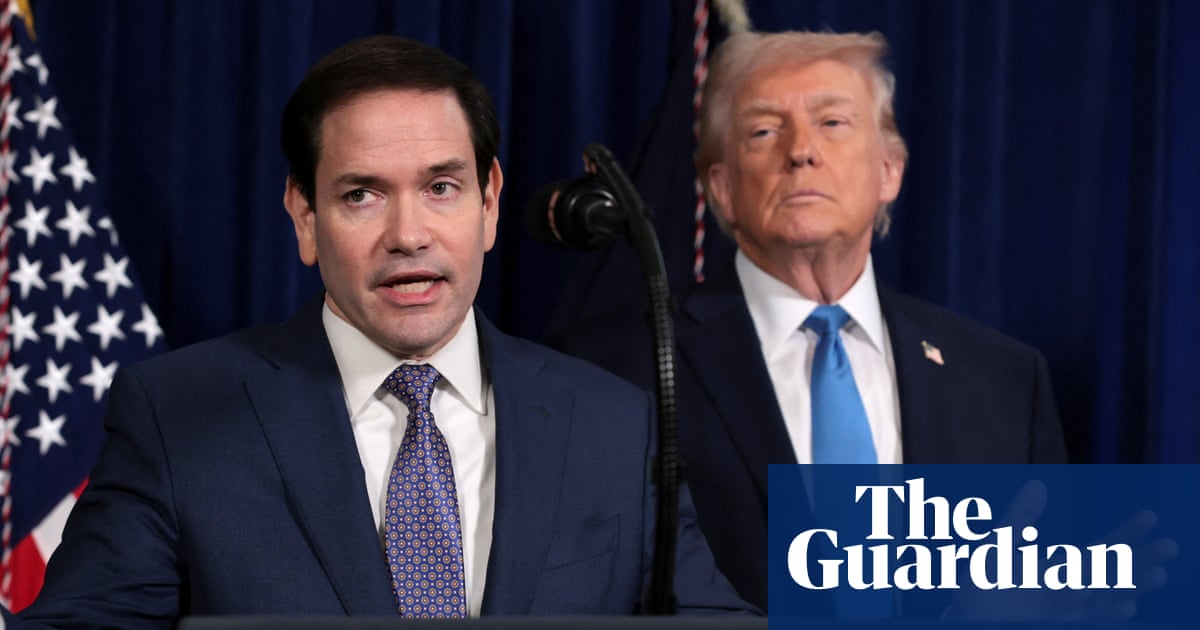
Rubio Justifies Iran Strikes: Prioritizing Nuclear Threat & American Safety
In a period of heightened geopolitical tension, Senator Marco Rubio, acting as Secretary of State, has been a leading voice in the Trump administration, offering robust justifications for the United States' military actions against Iran. His statements have consistently underscored two primary concerns: the imperative to prevent Iran from developing nuclear weapons and the critical mission of ensuring the safety of American citizens and diplomatic personnel in the Middle East. Understanding the administration's rationale behind the rubio iran us strikes involves dissecting these core arguments, which frame the US approach as a necessary measure for national security and global stability.
Protecting Americans Abroad: A Top Priority Amidst Regional Volatility
One of the most immediate and pressing concerns articulated by Rubio has been the safety and evacuation of American citizens from the increasingly volatile Middle East. Following the commencement of US strikes, the need for robust diplomatic and military coordination to assist Americans became paramount. Rubio detailed a comprehensive, multi-faceted strategy to facilitate departures from the region, highlighting the significant logistical challenges involved.
Rubio reported that approximately 1,500 Americans were actively seeking assistance to depart, even as some 9,000 individuals had already successfully evacuated since the escalation of hostilities. The State Department’s efforts included:
- Charter Flights: Arranging specially dedicated flights for US citizens.
- Military Flight Options: Utilizing military assets to provide additional safe passage.
- Expanded Commercial Flight Options: Collaborating with airlines to deploy larger aircraft with increased seating capacity.
Despite these efforts, Rubio acknowledged the difficulties posed by external factors, such as "airspace closures," which complicated operations. He stressed the importance of publicizing the State Department's contact information and urging any remaining Americans needing assistance to come forward. This proactive approach underscores the administration's commitment to its citizens, even amidst military operations. For more details on these efforts, see our related article: Rubio Details Urgent Plan to Evacuate Americans from Iran War Zone.
The urgency of these evacuation efforts was starkly underscored by direct threats to US diplomatic facilities. Rubio recounted a drone strike near the U.S. Consulate in Dubai, where a drone struck a parking lot adjacent to the chancellery building, causing a fire. Fortunately, most personnel had already departed, and all were accounted for. Rubio unequivocally characterized these incidents as direct attacks from a "terroristic regime," elevating the perceived threat level against American interests and personnel in the region.
Practical Tip for Travelers: In times of international instability, always register with your country's embassy or consulate if you are traveling or living abroad. The US State Department's Smart Traveler Enrollment Program (STEP) is an excellent example, allowing them to locate and assist you in emergencies.
The Nuclear Imperative: Preventing Proliferation Under Trump's Watch
Beyond immediate safety concerns, the overarching strategic justification for the rubio iran us strikes, as articulated by Rubio, centers on preventing Iran from acquiring nuclear weapons. This objective is consistently presented as non-negotiable and fundamental to global security.
Rubio’s statements have been emphatic: "There is no way in the world that this terroristic regime was going to get nuclear weapons, not under Donald Trump's watch." This declaration frames the military actions not merely as retaliation or deterrence, but as a preemptive measure to eliminate a perceived existential threat. The administration views an Iran armed with nuclear capabilities as an unacceptable destabilizing force, capable of threatening its neighbors, disrupting international order, and potentially empowering other non-state actors.
The concept of nuclear non-proliferation is a cornerstone of international security. Allowing a regime deemed "terroristic" to possess such destructive power would undermine decades of effort to control the spread of nuclear technology. Rubio's argument is that the world would undeniably be "a safer place when these radical clerics no longer have access to these weapons." This rationale suggests a fundamental belief that Iran's current leadership cannot be trusted with nuclear armaments, making their disarmament or incapacitation a primary objective of US foreign policy in the region.
Insight: The emphasis on "not under Donald Trump's watch" highlights a presidential doctrine that prioritizes unilateral action and a zero-tolerance approach to what it perceives as nuclear threats from adversaries, often diverging from multilateral diplomatic frameworks.
Preemptive Action: Safeguarding US Interests and Personnel
The decision to initiate rubio iran us strikes was also rooted in a clear doctrine of preemptive defense, intended to protect American troops and assets. Rubio revealed that President Trump was resolute in his determination that "we were not going to get hit first." This proactive stance signals a shift from a reactive military posture to one that seeks to neutralize threats before they materialize into attacks against American forces or interests.
Rubio explained that the timing of the strike was informed by a "unique opportunity for the mission to be successful." While the exact nature of this opportunity was not fully disclosed, it implies a window of vulnerability for Iranian assets or leadership that the US chose to exploit. This justification also touched upon earlier remarks where Rubio suggested Trump's awareness of Israel's resolve to act, and the US desire to strike first to prevent retaliation on American bases and operations should Israel initiate action. This intricate dance of alliances and regional dynamics underscores the complexity of strategic military decisions.
The core message is that American troops were not to be placed in harm's way unnecessarily. By taking preemptive action, the administration aimed to avert potential attacks, thereby safeguarding military personnel stationed across the Middle East. This strategic calculation seeks to project strength and deter further aggression, signaling that the US is prepared to use force to protect its interests and prevent any perceived escalation from adversaries.
Intensified Response: Defanging a "Terroristic Regime"
Rubio's pronouncements also carried a stern warning to Iran regarding the future scope and intensity of US military actions. He stated, "We're going to unleash Chiang on these people in the next few hours and days," an expression that, despite possible miscommunication or typo in reporting, clearly conveyed an intent for overwhelming force. He elaborated that the world would "really begin to perceive a change in the scope and in the intensity of these attacks as frankly the two most powerful air forces in the world take apart this terroristic regime and defang it and take away its ability to threaten its neighbors."
This aggressive rhetoric signals a strategic objective far beyond mere containment or limited retaliation. The goal, as articulated, is to dismantle Iran's capacity for regional aggression and its ability to pose a threat. "Defanging" implies a concerted effort to neutralize Iran's military capabilities, especially those that could be used against its neighbors or US interests. Such an operation would likely target military infrastructure, missile programs, and other strategic assets. For further analysis on the intensified strikes and the "no nuclear Iran" stance, refer to: US-Iran Conflict: Rubio Vows Intensified Strikes, No Nuclear Iran.
Fact: The United States and its allies, including Israel and various Gulf states, maintain significant military air power in the Middle East, giving credence to Rubio's assertion of overwhelming aerial superiority. This military might is a critical component of deterrence and, when necessary, projection of force.
Conclusion
Senator Marco Rubio's justifications for the rubio iran us strikes present a clear, albeit controversial, framework for the Trump administration's foreign policy in the Middle East. From the urgent and logistical challenges of evacuating American citizens to the resolute commitment to preventing Iran from acquiring nuclear weapons, Rubio has consistently articulated a strategy centered on American safety and regional stability. The emphasis on preemptive action, fueled by a determination "not to get hit first," coupled with warnings of an intensified military response to "defang" what is characterized as a "terroristic regime," outlines a bold and assertive stance. These justifications reflect a strategic approach that prioritizes direct action and military might as primary tools to safeguard national interests and reshape regional power dynamics, aiming for a safer world under American leadership.