US-Iran Conflict: Rubio Vows Intensified Strikes, No Nuclear Iran
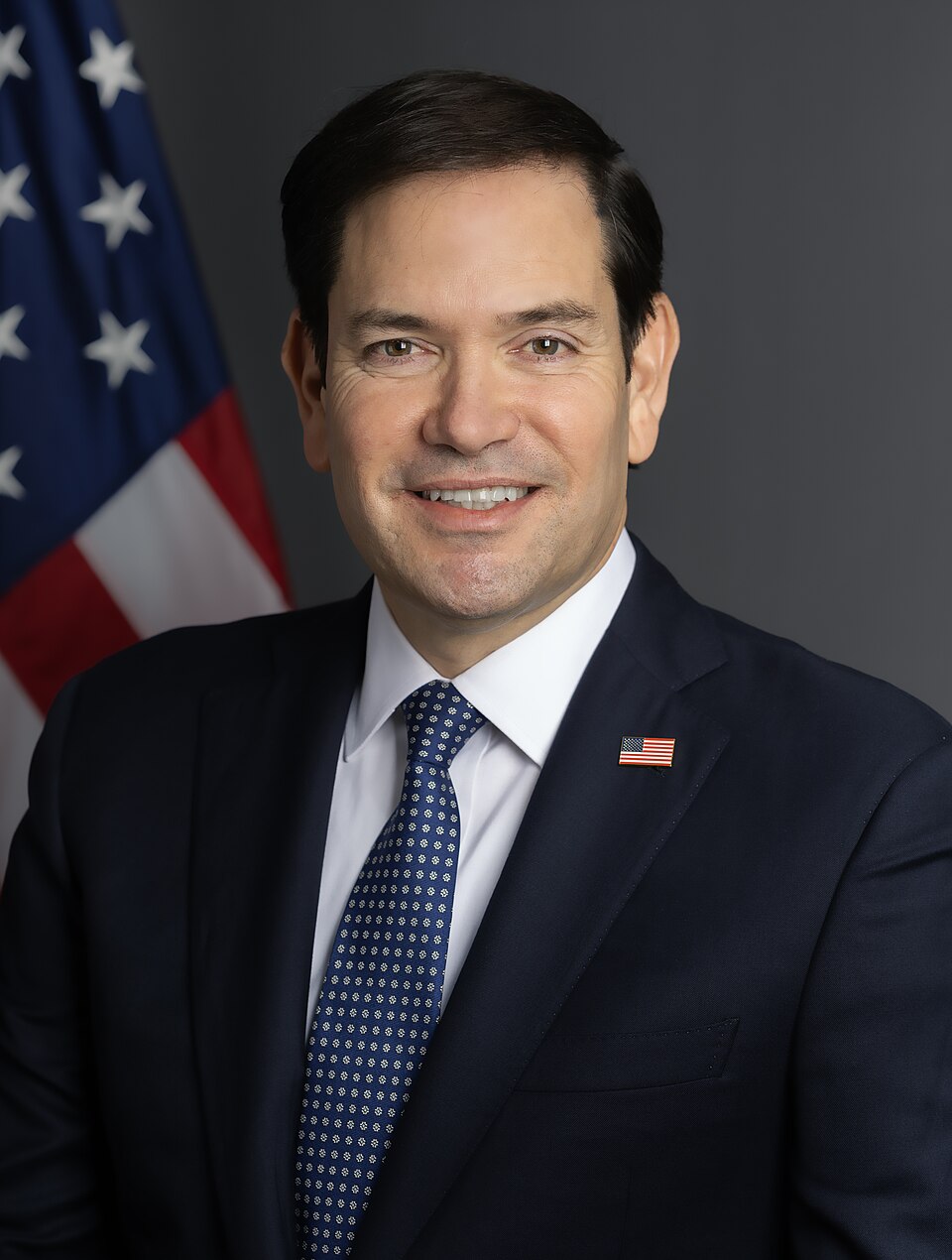
The intricate and volatile dynamics of the US-Iran relationship have once again been thrust into the global spotlight, with Senator Marco Rubio, acting as Secretary of State in this scenario, signaling a significant escalation in American strategy. His recent statements underscore a resolute commitment to intensified US military action against Iran, paired with an unwavering determination to prevent the Islamic Republic from acquiring nuclear weapons. These pronouncements, made amidst an escalating regional crisis, paint a clear picture of Washington's hardening stance and its multifaceted approach to containing what it perceives as a terroristic regime.
Intensified Strikes: A New Phase in US Strategy
In the wake of ongoing hostilities and a drone strike near the US Consulate in Dubai, Senator Rubio issued a stark warning to Iran, promising a dramatic shift in the scope and intensity of US military operations. While specific details of the planned escalation remain classified, Rubio's rhetoric indicated a comprehensive and overwhelming response. "We're going to unleash Chiang on these people in the next few hours and days," he declared, hinting at a deployment of formidable military might. This phrase, while open to interpretation, clearly conveyed an intent to deploy overwhelming force.
Rubio emphasized that the world would soon "perceive a change in the scope and in the intensity of these attacks as frankly the two most powerful air forces in the world take apart this terroristic regime and defang it and take away its ability to threaten its neighbors." This declaration suggests a coordinated, high-impact air campaign designed to significantly degrade Iran's military capabilities and dismantle its capacity for regional destabilization. The strategy appears to aim for a decisive military blow, intended to alter the balance of power and compel Iran to cease its aggressive actions.
The US rationale for these aggressive preemptive measures, as articulated by Rubio, stems from a firm belief that direct action was necessary to avoid being on the defensive. "The president is determined we were not going to get hit first. It's that simple," Rubio stated, suggesting a strategic imperative to seize the initiative rather than react to Iranian provocations. This proactive stance, while aimed at safeguarding American interests and personnel, inevitably raises questions about the potential for further escalation and the long-term stability of the Middle East.
The Nuclear Imperative: Defanging a "Terroristic Regime"
At the core of the US strategy, and a recurring theme in Rubio's statements, is the absolute resolve to prevent Iran from developing nuclear weapons. This objective is not merely a policy preference but an existential security concern for the United States and its allies. Rubio unequivocally stated, "There is no way in the world that this terroristic regime was going to get nuclear weapons, not under Donald Trump's watch." He reiterated this point, affirming that removing Iran's access to nuclear weapons is a primary, overarching objective of US strikes. For further reading on this justification, see Rubio Justifies Iran Strikes: Nuclear Threat & American Safety.
The perceived threat of a nuclear-armed Iran extends beyond regional power dynamics; it introduces an unpredictable and potentially catastrophic element into global security. Rubio warned, "The world will be a safer place when these radical clerics no longer have access to these weapons." This perspective frames the military actions not just as retaliation but as a crucial preemptive measure to avert a larger, more dangerous future conflict. The US argument posits that Iran's current regime cannot be trusted with such destructive capabilities, given its history of supporting proxy groups and its aggressive regional posture.
From a strategic standpoint, the US goal is to "defang" Iran, a term implying a comprehensive effort to strip away its ability to project power and threaten its neighbors, with nuclear proliferation being the most critical aspect of this threat. This long-standing US policy goal underscores a broader commitment to non-proliferation, particularly in volatile regions. The administration views military pressure as a necessary tool to enforce this objective, believing that diplomacy alone has not been sufficient to curb Iran's nuclear ambitions.
Protecting Americans Abroad: Evacuation Efforts and Diplomacy
Amidst the escalating military actions, the safety and evacuation of American citizens in the Middle East remains a paramount concern for the US State Department, led by Secretary Rubio in this context. Speaking after briefing senators on the war plans, Rubio detailed the extensive efforts underway to assist Americans seeking to depart the region. He reported that approximately 1,500 Americans were actively requesting assistance, with about 9,000 having already been successfully evacuated since the conflict began.
The logistical challenge of such an operation is immense, particularly given the dynamic and often unpredictable nature of conflict zones. Rubio outlined a multi-pronged approach to facilitate departures: "We have identified and continue to identify charter flights, military flight options and expanded commercial flight options, meaning working with the airlines to send bigger airplanes with more seats and the combination of those three things." This integrated strategy aims to maximize available transportation channels and accommodate as many individuals as possible.
Despite these efforts, significant obstacles persist. "It's going to take a little time because we don't control the airspace closures," Rubio acknowledged, highlighting the complexities of operating within a conflict-ridden environment where various actors can impact travel routes. He also stressed the importance of identifying all Americans in need, urging the press to broadcast the State Department's contact information. "We need to know who you are," he emphasized, underscoring the critical role of self-reporting in ensuring no one is left behind. The drone strike near the US Consulate in Dubai, while resulting in no casualties (most personnel had already left, with the drone striking a parking lot), served as a stark reminder of the direct threats faced by US diplomatic facilities and personnel. For more on the evacuation plans, refer to Rubio Details Urgent Plan to Evacuate Americans from Iran War Zone.
Practical Tip for US Citizens Abroad: In times of regional instability, it's crucial to register with the Smart Traveler Enrollment Program (STEP) via the State Department's website. This allows the US embassy to contact you in an emergency and provides up-to-date security information.
The Rationale Behind Preemptive Action: "Not Going to Get Hit First"
Rubio consistently presented the US decision to attack Iran as a preemptive measure, driven by the belief that inaction would lead to greater harm. He reiterated his earlier remarks that Trump believed Israel was determined to act and that the US needed to strike first to prevent retaliation on American bases and operations in the region. This rationale underscores a complex web of alliances and security commitments in the Middle East, where US actions are often intertwined with the safety of its regional partners.
The "not going to get hit first" doctrine represents a significant shift in foreign policy, prioritizing proactive deterrence over reactive responses. Rubio described a "unique opportunity" presented to the president, suggesting a specific intelligence window or tactical advantage that made immediate action seem more viable and effective. This perspective implies a calculated risk, aimed at disrupting Iranian aggression before it could manifest into direct attacks on US interests or personnel. "We are not going to put American troops in harm's way," Rubio asserted, framing the preemptive strikes as a means to protect service members by neutralizing threats before they materialize.
This approach, while intended to project strength and deter future aggression, has naturally sparked debate regarding its legality, morality, and long-term effectiveness. Critics often point to the potential for unintended consequences and the risk of deeper entanglement in regional conflicts. However, the administration's stance, as articulated by Rubio, is that the threat posed by Iran, particularly its nuclear ambitions and support for terrorism, necessitates such assertive action.
Conclusion
Senator Marco Rubio's robust statements on the US-Iran conflict reflect a clear and uncompromising strategy: intensified military pressure to dismantle Iran's capacity to threaten, coupled with an unwavering commitment to prevent it from acquiring nuclear weapons. The administration's rationale for preemptive strikes centers on protecting American lives and interests, as well as those of its allies, by proactively neutralizing perceived threats. While the immediate focus remains on de-escalating the crisis for American citizens through extensive evacuation efforts, the long-term objective of preventing a nuclear Iran drives the broader US military posture. The path ahead remains fraught with challenges, but the message from Washington, as conveyed by Rubio, is one of resolute determination in the face of persistent regional instability.